
Living with ADHD can feel like your brain is always “on”—but everyday tasks still don’t happen when you need them to. If you’re in Melbourne (especially the west and north) and ADHD is affecting your routines, work or study, relationships, or mental health, the right supports can make daily life simpler, safer, and more independent.
At Wyndham Elite Support Services Pty Ltd, we support people across Wyndham and broader Melbourne to build routines, reduce overwhelm, and participate in community life in a way that fits the person—not a one-size-fits-all checklist.
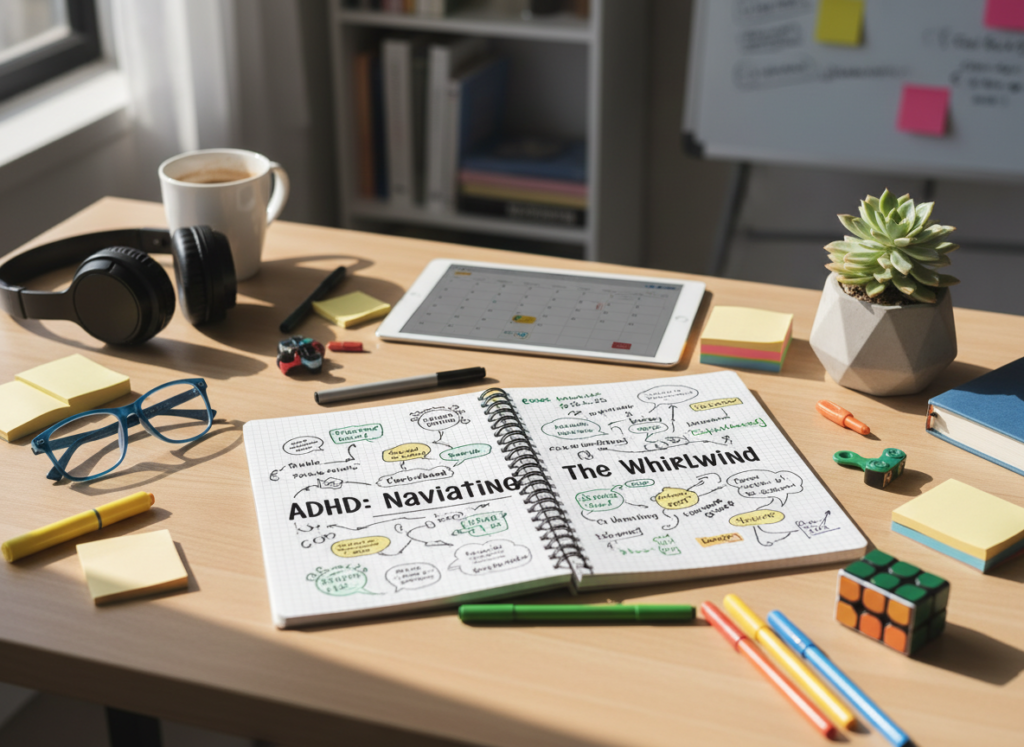
ADHD: what it often looks like day-to-day
ADHD is a neurodevelopmental condition that can impact attention, impulsivity, emotional regulation, and executive functioning (skills like planning, organising, time management, and task initiation).
For many adults and teenagers, the hardest part is not understanding what to do—it’s starting tasks, switching between tasks, and finishing tasks consistently, especially under stress or when life is busy.
In real life, that can look like:
- Running late even with good intentions, because time “gets away”.
- Household tasks piling up (laundry, dishes, paperwork), then becoming overwhelming.
- Forgetting appointments, bills, or commitments—even ones that matter deeply.
- Emotional overload, shutdown, or burnout after masking all day.
Can ADHD be supported through the NDIS?
Some people with ADHD may be able to access NDIS supports when they meet eligibility requirements and can show a substantial, ongoing impact on daily functioning.
There has also been formal national attention on how ADHD is treated “under the NDIS,” which reflects that many people need practical supports (not just advice) to participate in everyday life.
If you’re unsure whether your situation qualifies, it can help to speak with your GP and allied health professionals about evidence that describes functional impact (what’s hard in daily life), not only diagnosis.
Practical ADHD strategies that actually help
ADHD support works best when it’s concrete, repeatable, and built into your week (not reliant on motivation).
Here are a few strategies many people find useful:
- Externalise memory: Use one calendar, one task list, and reminders for everything (appointments, medication, bills).
- Break tasks into “starter steps”: Example—“open the laundry basket” or “put dishes in sink,” not “clean the house.”
- Body doubling: Doing tasks alongside another person (even quietly) to make starting and staying on track easier.
- Reduce friction: Keep essentials visible and easy to access (keys bowl, charging station, labelled storage).
- Plan for energy, not perfection: Build a weekly rhythm that includes rest, recovery time, and simple meals on low-capacity days.
How disability support can help (Melbourne West & North)
For many people, the missing piece is consistent, practical support to turn strategies into routines—at home and in the community.
Depending on your NDIS plan and goals, disability support workers may help with:
- Assistance with Daily Living: Structured routines, meal prep support, household tasks, prompts to start/finish tasks.
- Community access and participation: Support to attend activities, appointments, social groups, and local events—reducing isolation and building confidence.
- Transport support: Getting to appointments, programs, and community activities reliably and safely.
Wyndham Elite Support Services provides disability supports designed around the participant’s goals, preferences, and daily reality, with services including Assistance with Daily Living, Transport Services, and Social and Community Participation.Community Participation (getting out, staying connected, building confidence in the community).